Giza Zoo Reopens as a 112-Feddan Eco-Park Fused With Orman Garden
The historic Giza Zoo, opened in 1891 and the first zoo in Africa, is reopening in phases across the second half of 2026 after the largest restoration in its 135-year history. The project folds the zoo and the adjacent Orman Botanical Garden into a single 112-feddan eco-park linked by a new pedestrian tunnel, with operations handed to a private-sector operator and habitat standards rebuilt from the ground up under international supervision. Minister of Agriculture Alaa Farouk confirmed the phased reopening plan, with a pilot trial phase preceding full public opening by the end of 2026.
The scale of the rebuild is unusual for an Egyptian heritage site. The 112-feddan combined footprint makes it the largest green park in Greater Cairo, and the Ministry is pursuing accreditation from the World Association of Zoos and Aquariums (WAZA) and the Pan-African Association of Zoos and Aquaria (PAAZA), which Egypt lost in the early 2000s as the site deteriorated. The African Union's zoo federation continues monitoring animal and infrastructure readiness before phase one doors open.
Heritage landmarks restored to their original state
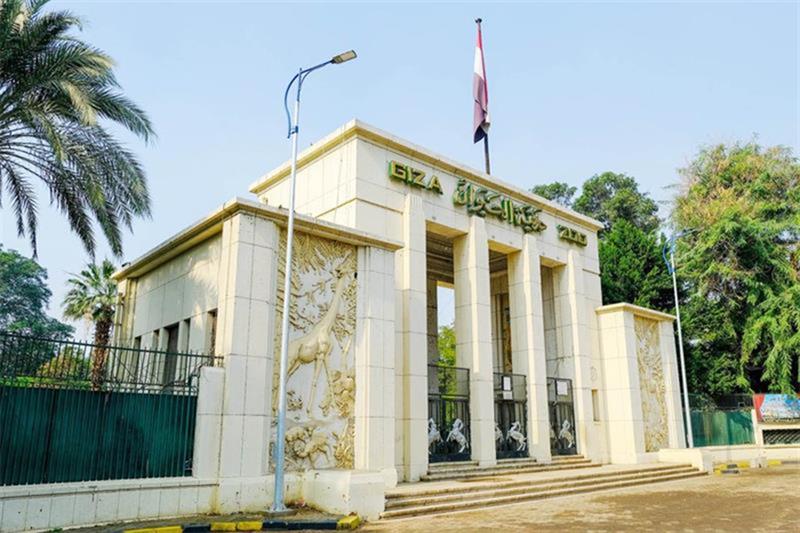
More than 90 percent of the zoo's heritage structures have been restored, including the Eiffel Bridge, the Royal Rest Hall, the Japanese Kiosk, the Old Gate, the Chandlery Grotto, the artificial grottoes and lakes, and the iconic bird-watching towers. The Haremlik Palace ruins are being preserved as a light-projection canvas for the new Heritage Nights programme, where the Eiffel Bridge will be lit to echo its 1940s appearance and the Royal Rest House will anchor evening cultural programming. More than 3,000 trees on the site have been conserved, and the walking paths have been redesigned for accessibility while keeping their original character.
The National Alliance for the Development of Giza Zoo and Orman Garden, led by Mohamed Kamel and comprising the Military Production Engineering Projects Company and private operator Hadaeq, is executing the works. The heritage restoration is paired with a new dedicated nighttime zone offering guided tours, sculpture installations from four Egyptian artists selected through a national competition, and cultural programming led by former culture minister Inas Abdel-Dayem. Former education minister Tarek Shawki oversees three new learning centres covering biology, laboratory sciences, and early childhood education.
Animal habitats rebuilt to international welfare standards
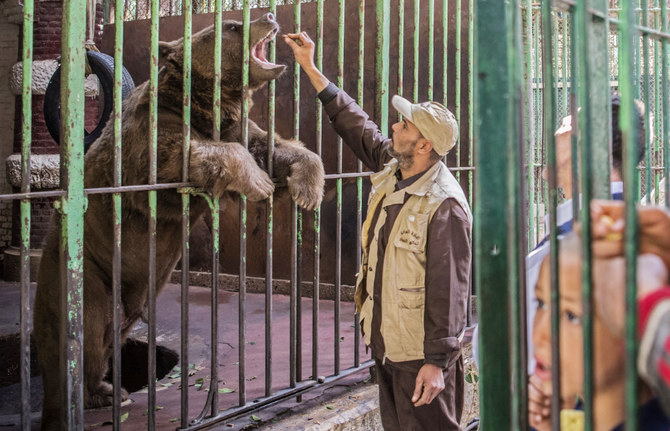
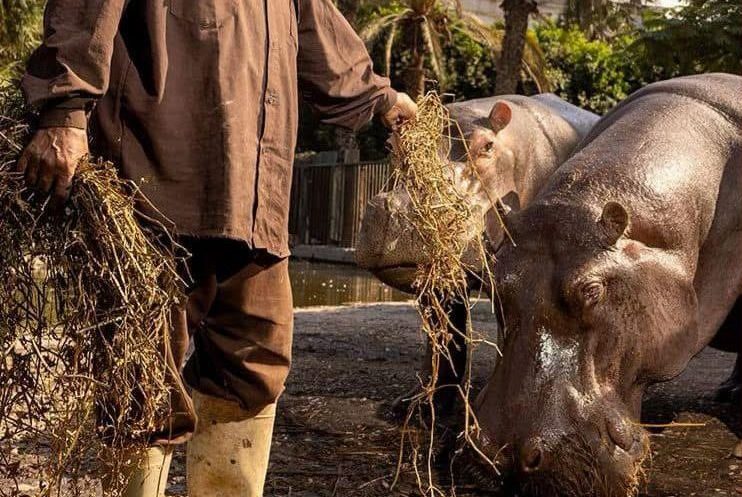
The animal-care rebuild is the most expensive and complex part of the project. All animals were relocated to temporary climate-controlled shelters while their new habitats were built. The African savannah and Asian zones have been fully reconstructed in line with international welfare standards, with experts from South Africa and several European countries supervising the transfer and habitat replication. A 4.5-feddan elephant habitat with dedicated bathing pools houses three Asian elephants, and new hippo and aquatic-animal facilities meet global standards.
The zoo has added more than 118 new species and plans to import an additional 362 animals to bring the collection to roughly 5,000 animals and birds. A specialised veterinary hospital under construction is equipped with CT imaging, X-ray systems, advanced diagnostic labs, and a licensed veterinary pharmacy operated with the Egyptian Drug Authority. Terminally ill lions suffering from conditions such as tuberculosis were humanely euthanised under international protocols to protect other animals and staff, a decision the operating alliance confirmed was supervised by international welfare experts. Current spending sits between EGP 1.07 and EGP 1.8 billion, with total investment expected to reach EGP 4 billion.
How to reach the site and what it will cost
The Giza Zoo site sits on Bulaq al-Dakrour / Giza Street in central Giza, with the Orman Garden directly adjacent. Cairo Metro Line 2 serves the area, with the Bohouth and Al-Azhar University stops nearby, making this one of the few major Giza attractions reachable by metro. Taxi and ride-hail cover the last stretch from the station. Historic ticket pricing ran EGP 10 to EGP 50 for Egyptians, with tiered pricing for foreign visitors; the new operator has not yet published final pricing, but the private-sector model and international-accreditation push suggest a higher price floor than the old civic-zoo era.
The operational model introduces strict rules. Outside food is prohibited, feeding interactions are controlled and supervised, and exhibits provide larger spaces aligned with international practice. Digital infrastructure, including full CCTV coverage and smart systems giving visitors access to animal histories and interactive content, is being pitched as making Giza Zoo "the smartest zoo in the world," a claim that will be tested against the WAZA accreditation decision once phase one opens.
Practical Details
- Dates: Phased reopening across H2 2026 (pilot trial phase, then full public opening by end of 2026); exact phase-one date pending African Union zoo federation inspection
- Venue: Giza Zoo, Bulaq al-Dakrour / Giza Street, Giza, linked to Orman Botanical Garden, Giza
- Transit: Cairo Metro Line 2 (Bohouth / Al-Azhar University stops nearby); taxi or ride-hail from central Giza
- Combined area: 112 feddans (zoo + Orman Garden), linked by a new pedestrian tunnel; largest green park in Greater Cairo
- Heritage landmarks restored: Eiffel Bridge, Royal Rest Hall, Japanese Kiosk, Old Gate, Chandlery Grotto, grottoes, lakes, bird-watching towers, Haremlik Palace ruins
- Animals: Approximately 4,800 existing plus 362 imported; 118 new species added; 4.5-feddan Asian elephant habitat
- Investment: EGP 1.07 to 1.8 billion spent so far; total expected EGP 4 billion
- Operator: Private-sector operator Hadaeq under National Alliance (with Military Production Engineering Projects Company); Ministry of Agriculture retains ownership and oversight
- Accreditation sought: World Association of Zoos and Aquariums (WAZA), Pan-African Association of Zoos and Aquaria (PAAZA)
- Price: TBA (historically EGP 10-50 for Egyptians; tiered for foreigners; new pricing expected to be higher under private operator)
- Category: New Opening / Attractions
- Website: Ahram Online: Giza Zoo reopening